

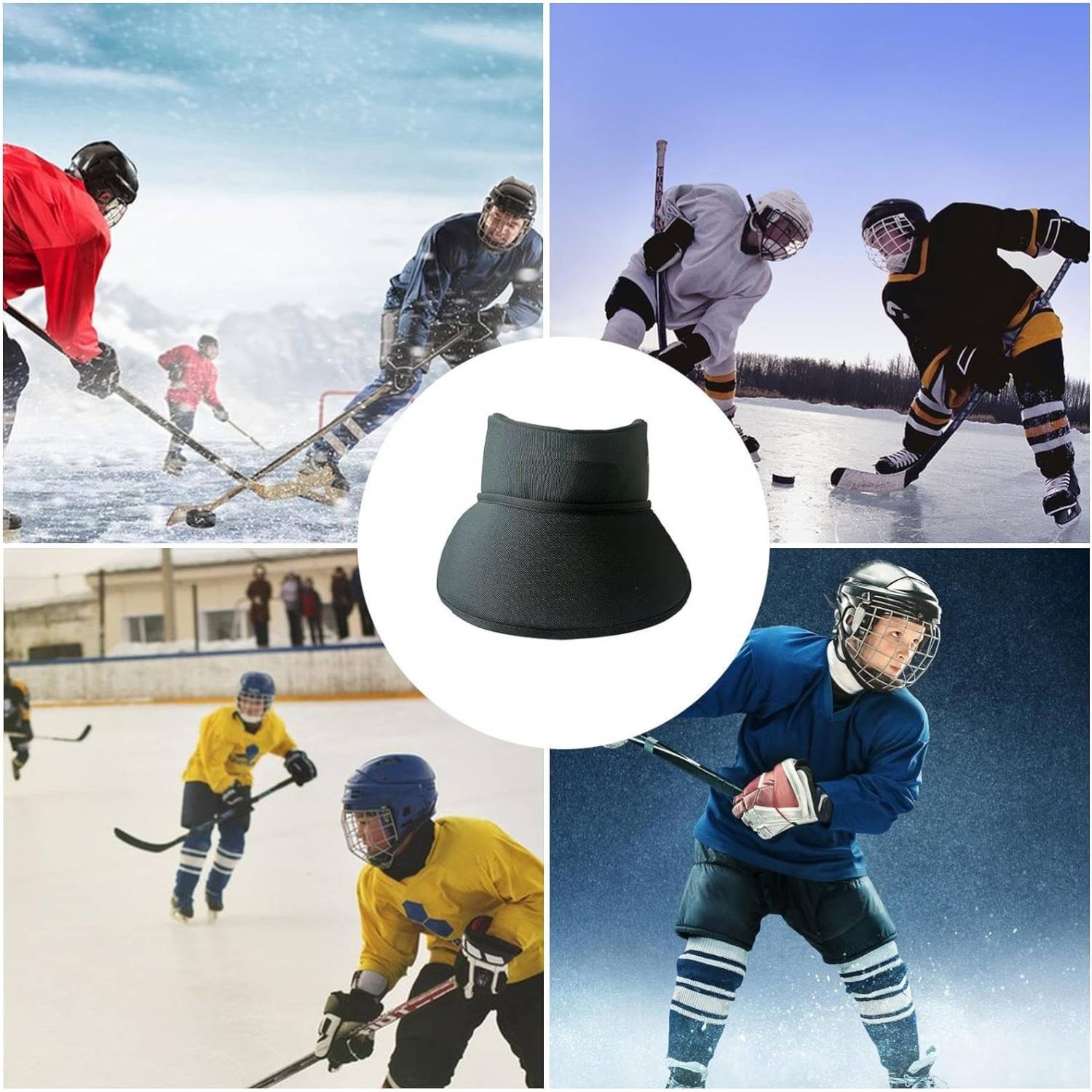
The complete guide
What a padded neck guard does, and what certification means
Two kinds of neck guard
"Neck guard" is used for two different products, and the difference matters when you buy.
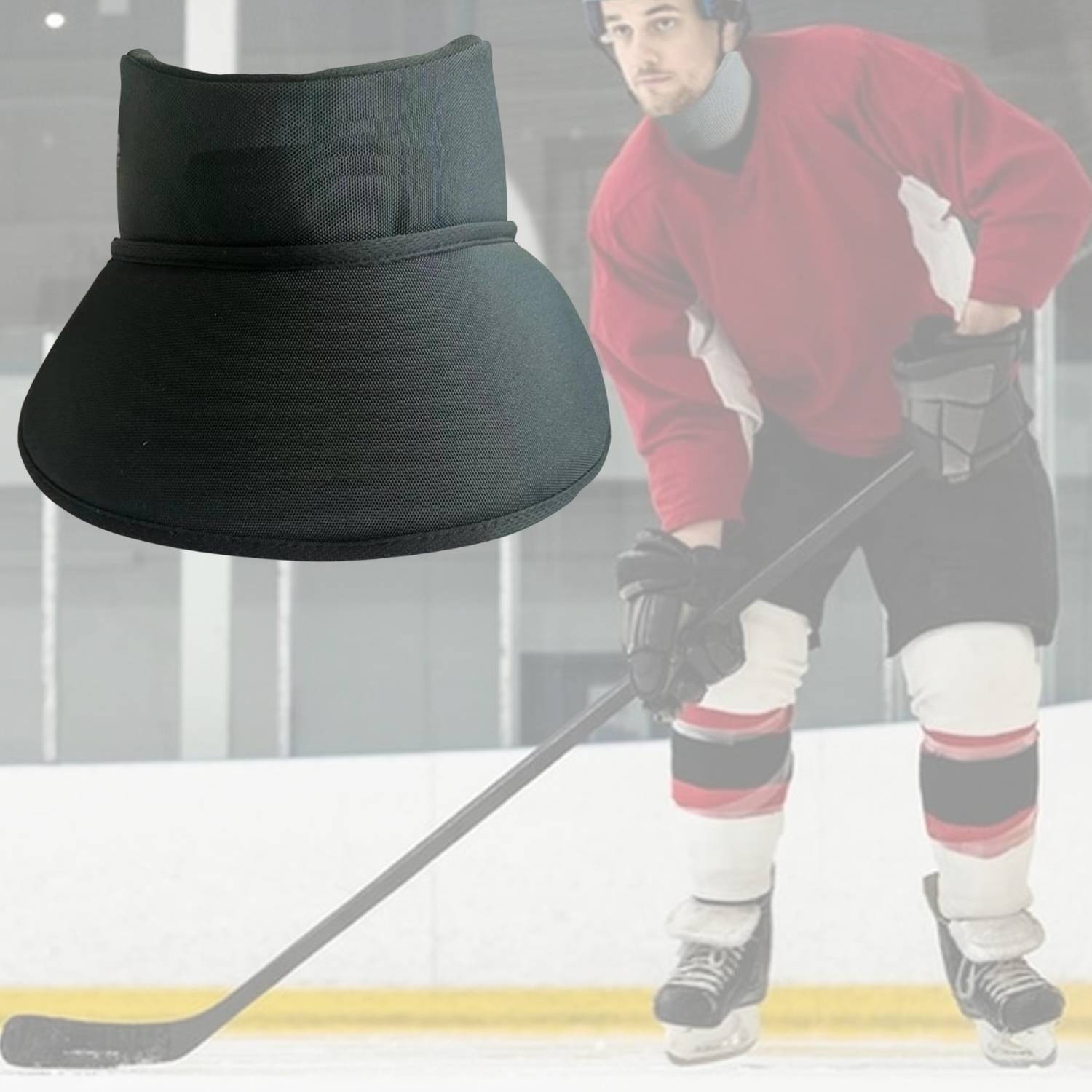
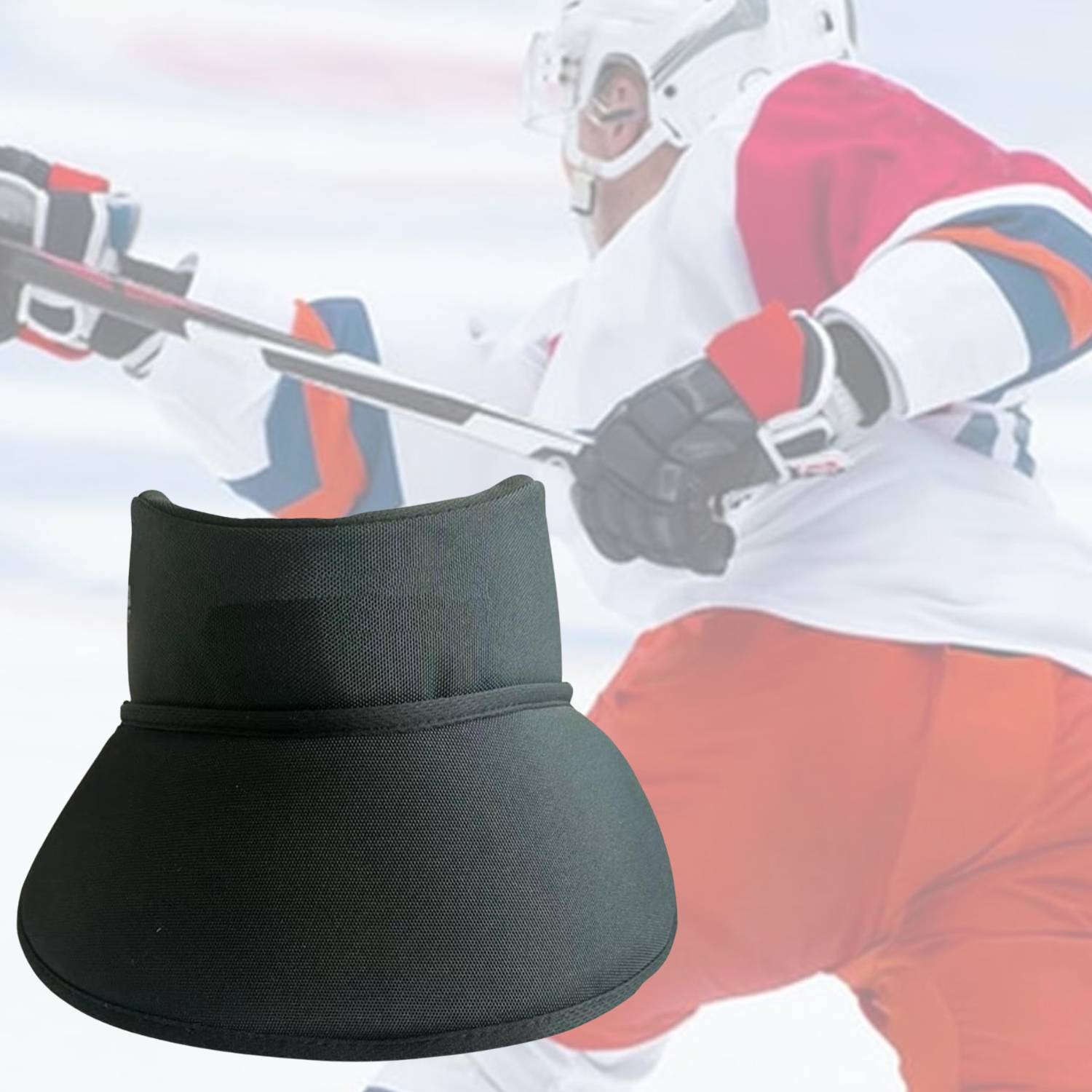
Padded neck protection. Fabric and padding that covers the neck and cushions knocks from sticks, pucks, boards and collisions. This product is this kind.
Certified cut-resistant neck protection. A guard that has been tested against blade cuts to a named standard and carries documented certification. It can look much the same, but the test is what makes it different.
This guard holds no cut-resistance certification. It is padded protection, and it will not satisfy a league or competition that requires certified cut-resistant neck protection.
Why the rules are changing
The neck carries major blood vessels and the windpipe, and skate blades are sharp. Neck cuts in ice hockey are rare, but they are serious when they happen.
In recent years a growing number of leagues and governing bodies, especially at junior level, have moved from recommending neck protection to requiring it. Many of those rules ask for a certified cut-resistant guard, and the details differ between countries, leagues and age groups.
Before you buy any neck guard for competitive play, check your own league's current rule. If it mandates certified cut-resistant protection, only a certified product meets it, and the manufacturer will be able to show you the certification.
Where a padded guard makes sense
There are plenty of places where padding is exactly what is wanted.
- Training sessions and drills
- Recreational and public skating
- Junior sessions where a padded guard is what the coach asks for
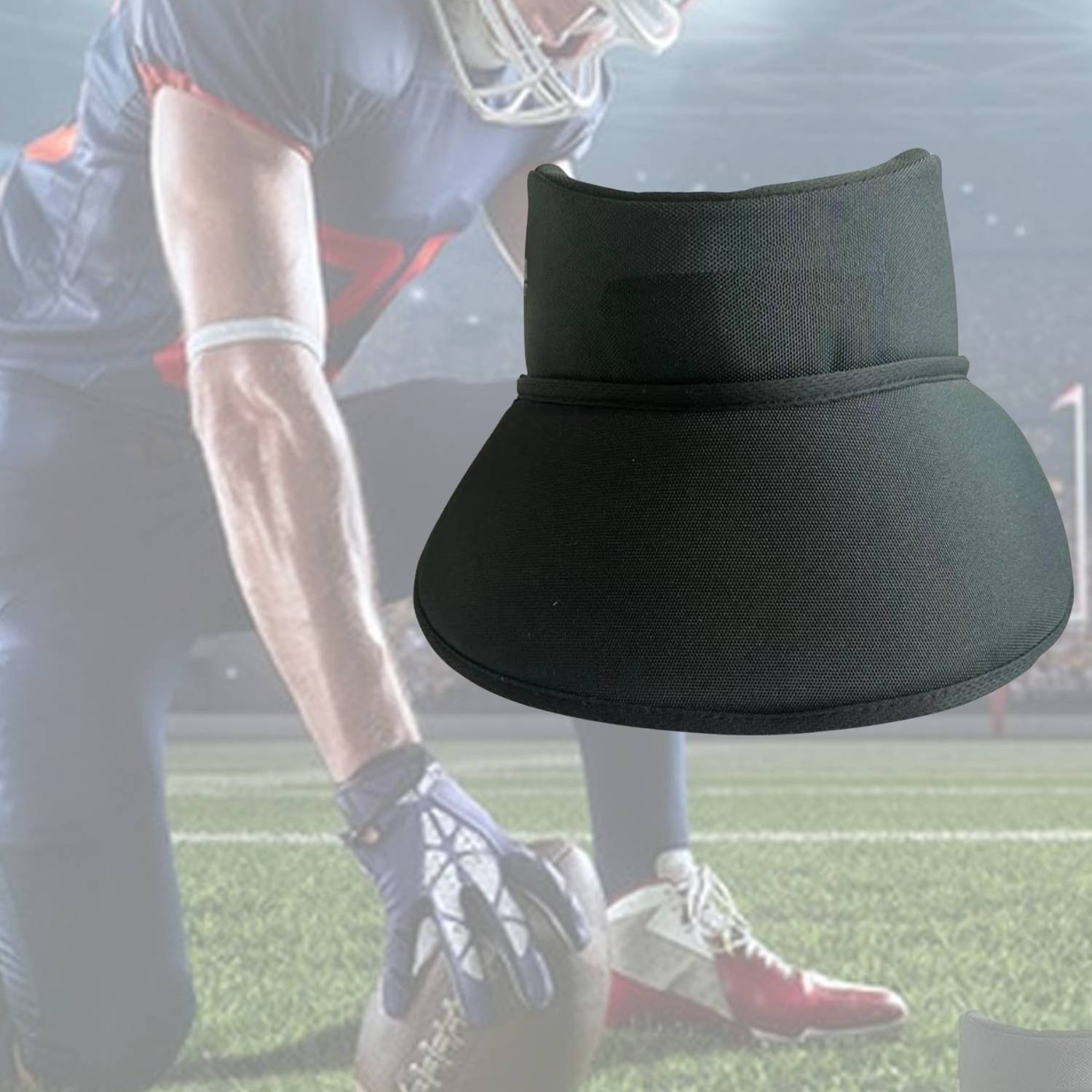
- Other high impact sports where knocks, not blade cuts, are the risk
- Anyone who wants their neck, shoulders and collarbone covered and comfortable
What this guard is made of
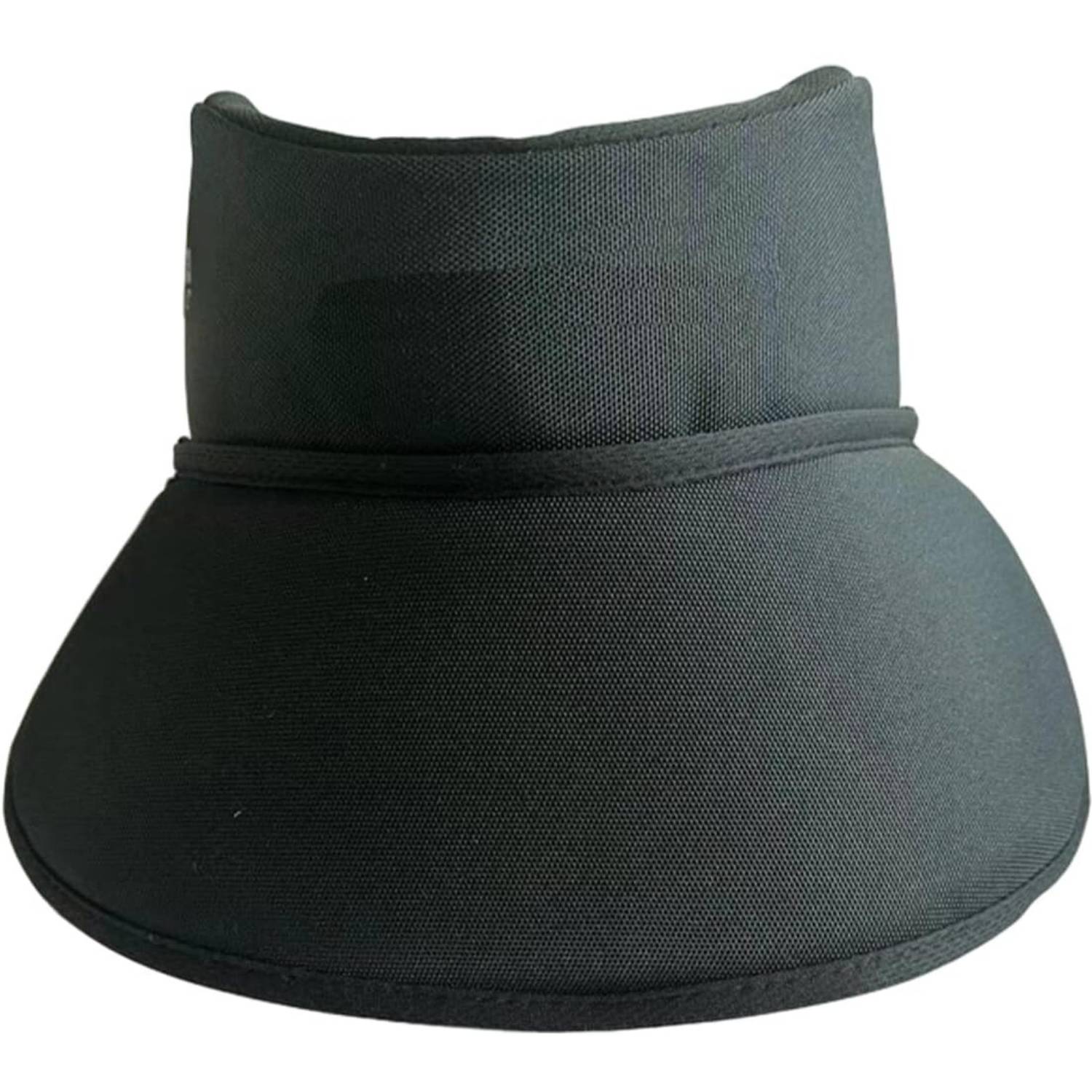
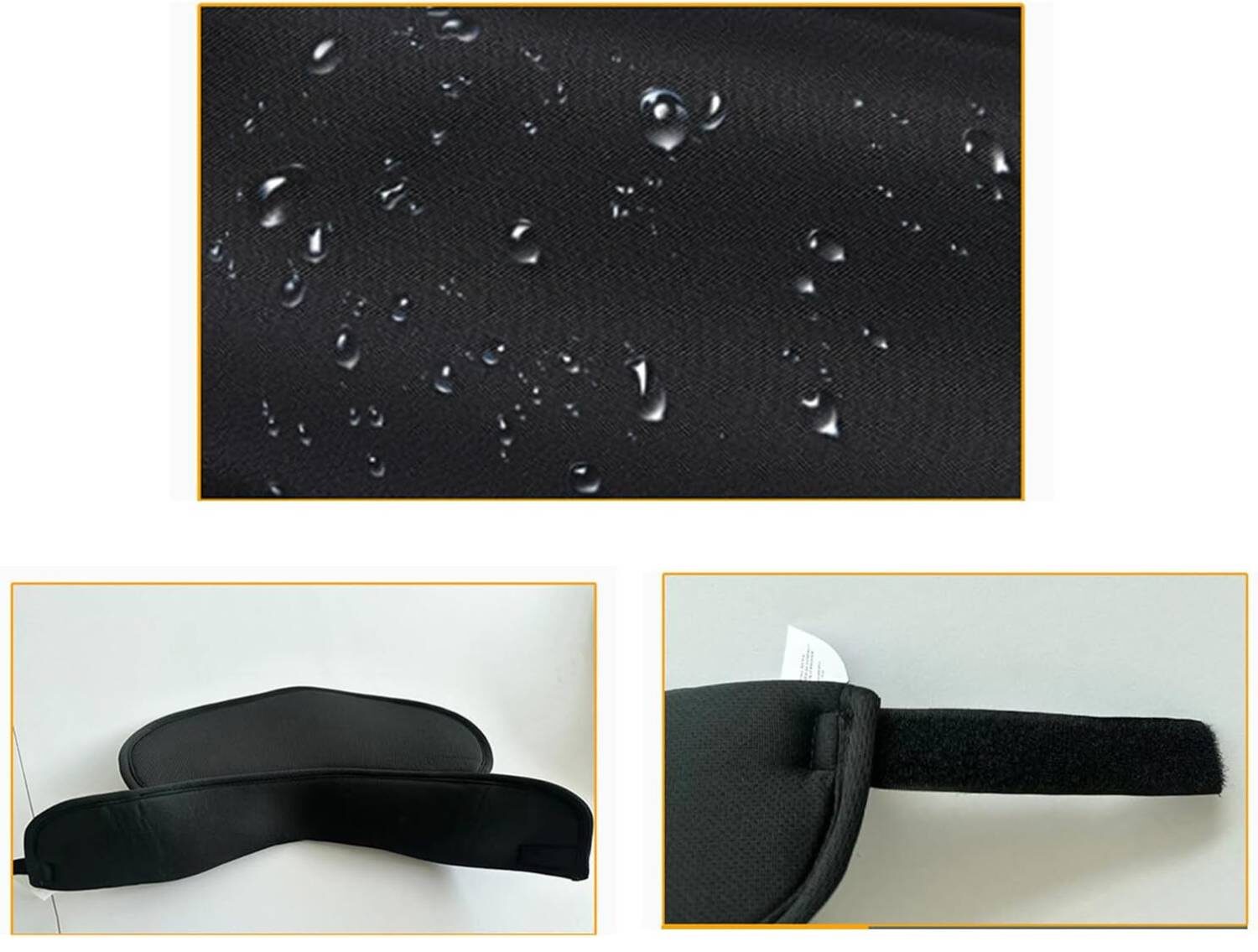
It is made from breathable black polyester, shaped to follow the curve of the neck. The fabric is soft against the skin and sheds sweat and spray well, though it is not a waterproof garment.
Coverage runs around the neck and down across the shoulders and collarbone. It is free size, with an adjustable hook and loop closure so you can set the fit quickly and take it on and off easily.
Fitting it properly
A neck guard only helps if it stays where it should.
Snug, not tight
It should not turn when you move your head, and it should never press on your throat or affect breathing or swallowing.
Under the jersey
It is designed to sit against the neck and under your other kit. Put it on before your shoulder pads and jersey.
Check it after the warm up
A guard that feels wrong after ten minutes was usually fitted wrong at the start. Re-set the closure while you are warm.
One guard per player
Sharing a neck guard is not a good idea. It sits against the skin, so hygiene matters, and each player needs it set to their own neck.
Looking after it
Air it after every session. It sits against your neck and will hold sweat if it stays in a closed kit bag.
Wash it as the label directs. Usually that means a cool, gentle wash with mild soap. Dry it flat, away from radiators and direct sunlight.
Keep it away from blades. Store it where skates cannot rest against it in the bag.
When to replace it
Padding does not last forever. Replace the guard when the padding has gone flat, the fabric frays or tears, or the closure no longer holds firmly.
Check it at the start and end of every season. A guard that slides out of place during play is not covering anything.
Kitting out a club
If you are buying padded neck guards for a club's training sessions, ask for a quote through our /wholesale/ page. For any team playing in a league with a certification rule, check that rule first.