
The complete guide
How to choose and use a folding gymnastics mat at home
What a folding gymnastics mat is for
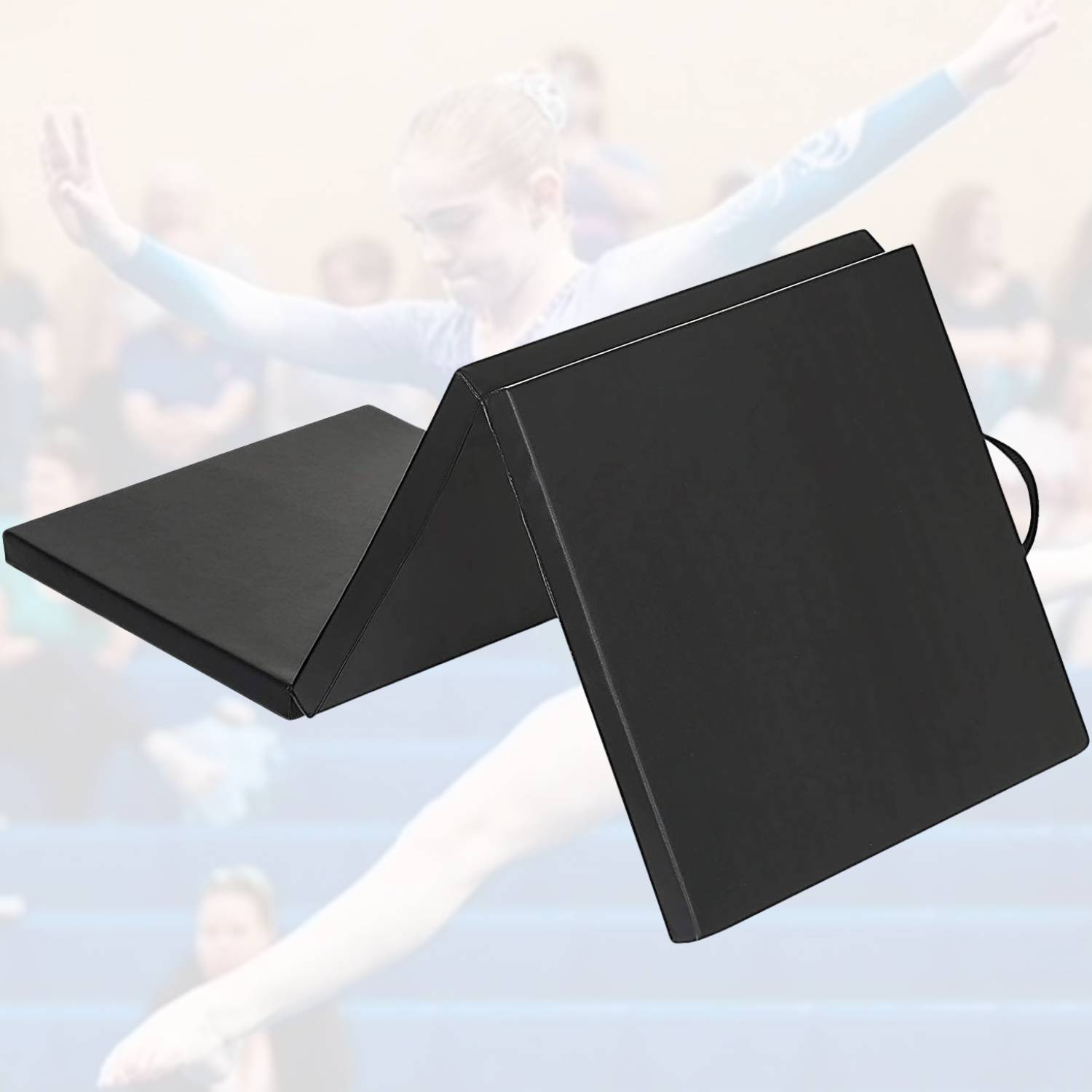
A gymnastics mat puts a firm, cushioned layer between a child and the floor. At home that means rolls, handstands, bridges, cartwheels, stretching and conditioning, done on something kinder than floorboards.
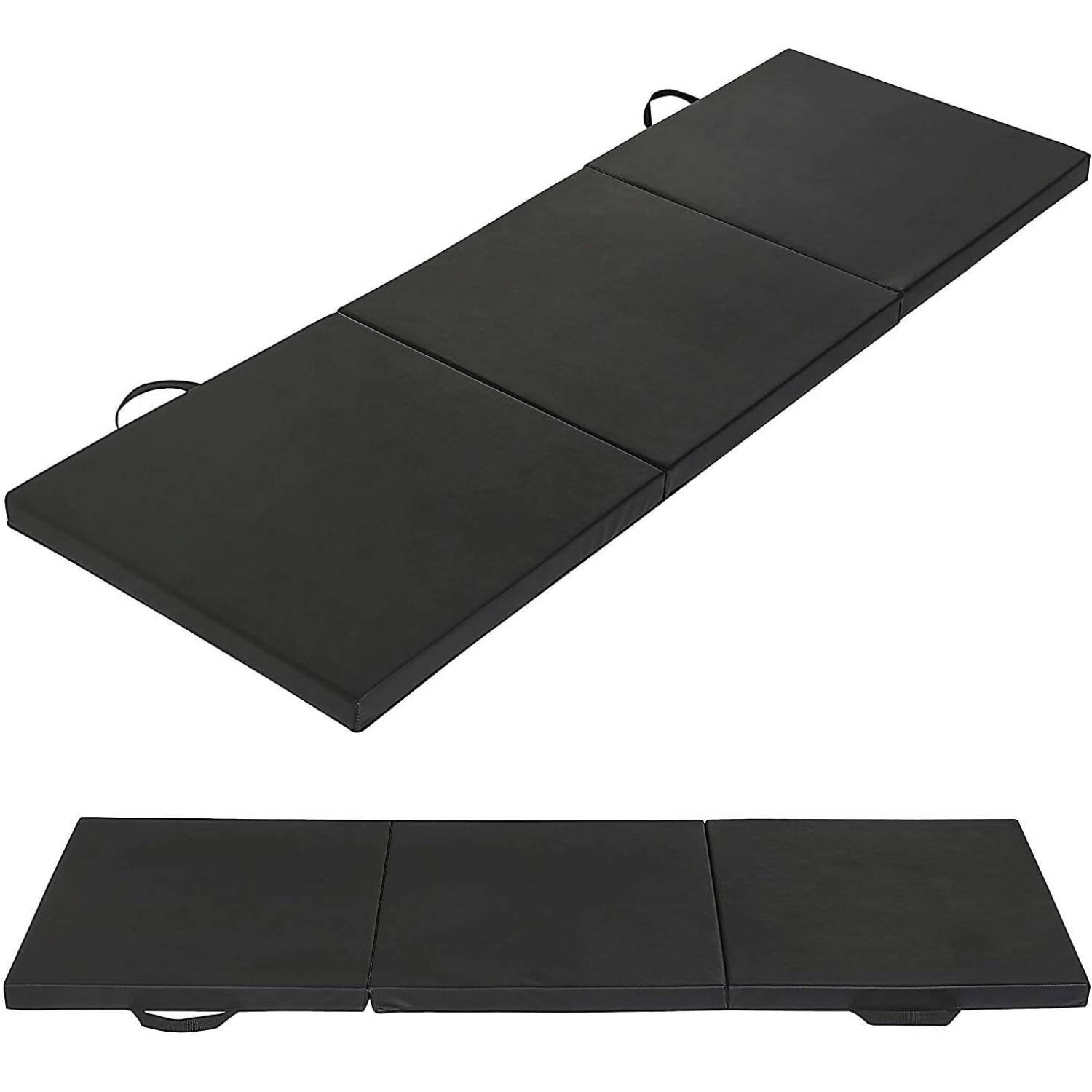
This one is 180 x 60cm and 5cm thick, with a high density EPE foam core and an 18 oz vinyl cover. It folds into three panels and has a handle on each, which matters more than it sounds.
Firmness matters more than thickness
The instinct with mats is that thicker is always better. Past a point, it is not.
Soft foam feels kind underfoot, then soaks up the push a child needs for a cartwheel or a handstand. A mat that wobbles makes balance work harder, not easier.
High density EPE foam behaves differently. It gives under an impact and stays steady under a foot. That is the combination you want for floor work and basic tumbling.
What 5cm will and will not do
Five centimetres of firm foam suits most home gymnastics:
- Forward and backward rolls
- Handstands and bridges
- Cartwheels
- Stretching, splits and conditioning
- A landing area beside a floor beam or under a junior bar
It is not a landing mat for skills with height. Jumps off furniture or equipment, and anything thrown from a run up, need thicker crash mats and a coach. A mat softens contact with the floor. It does not make a skill safe, so children should practise with an adult watching and stay within what their coach has taught them.
One mat or several
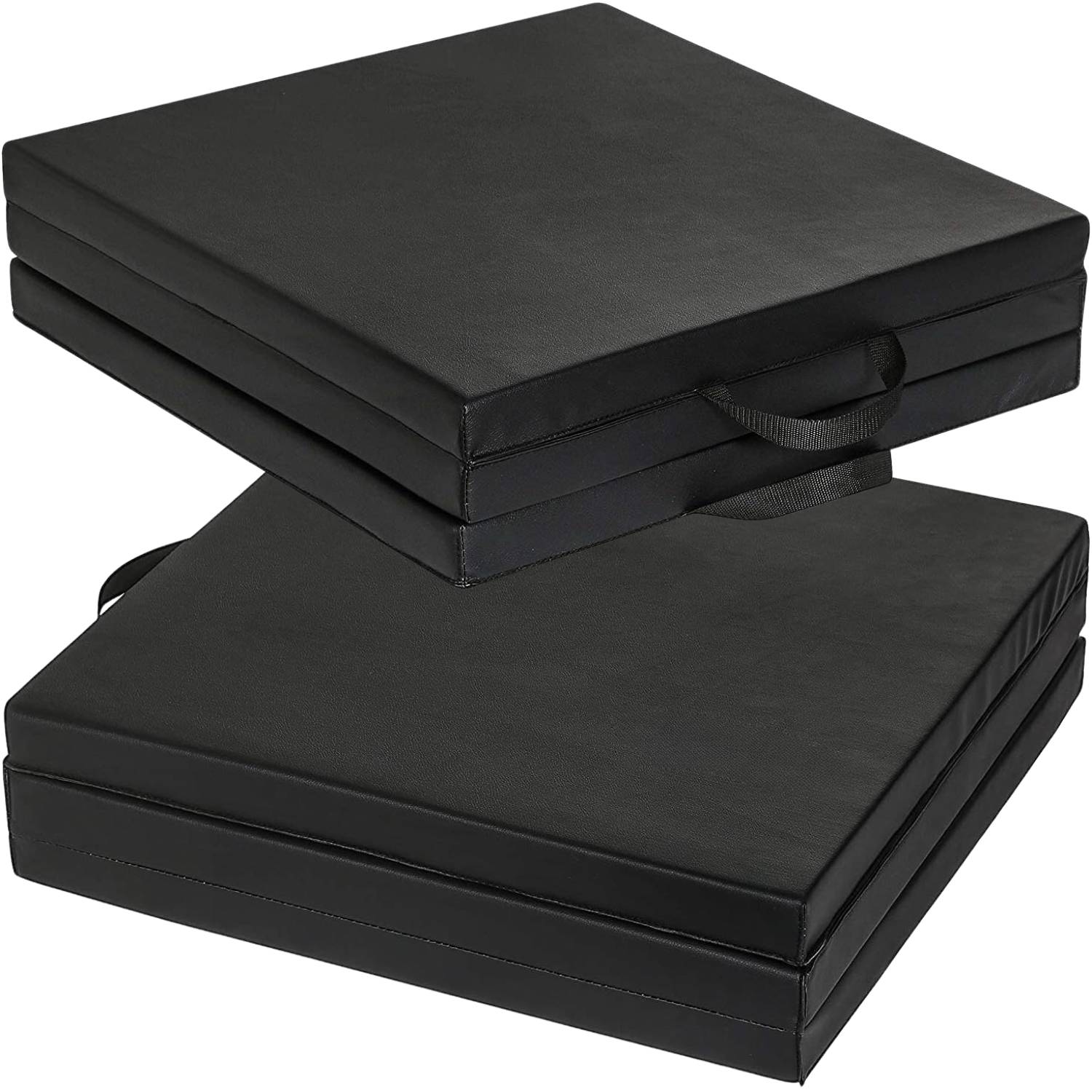
One mat is enough for most home floor work. When a child's skills need more room, most families add a second mat and lay the two side by side.
This listing does not mention hook and loop edges, so plan on mats sitting next to each other rather than fixing together. Check the edges sit flush before anyone steps across the join.
Floors
Wood and laminate. The vinyl is textured on both sides. The underside grips the floor, which helps stop the mat creeping during a session. Check it is lying flat before you start.
Carpet. Works well. The carpet adds a little give, which makes balance work a touch harder.
Concrete and garage floors. The mat takes the sting out of knees and elbows. Concrete stays hard underneath, though, so keep landings small and controlled.
Beyond gymnastics
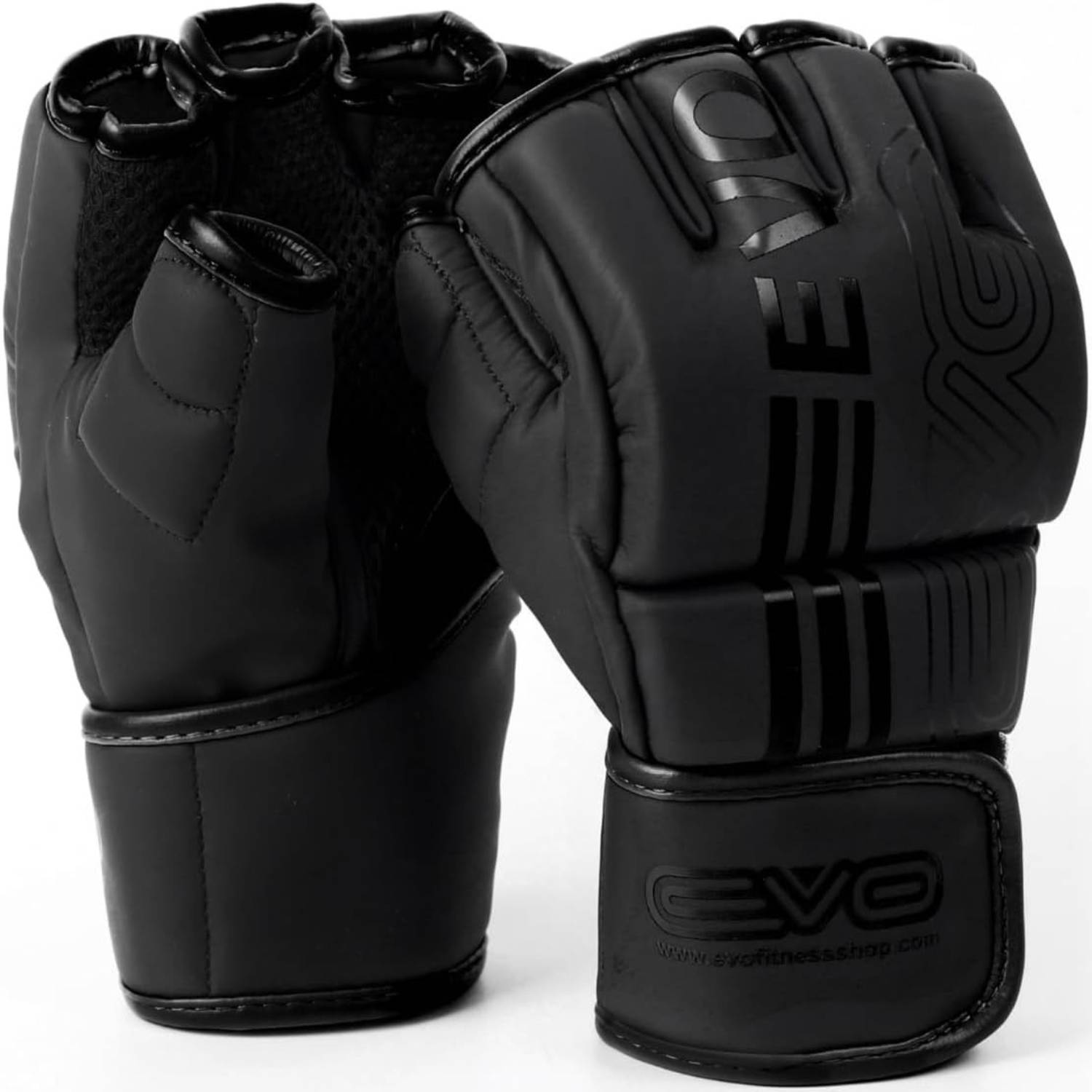
Outside gymnastics, families use it for yoga, pilates, aerobics, and martial arts or MMA drills. The extra depth helps with kneeling work, and the firm foam keeps standing poses steady.
It is not a competition tatami, and it is not a surface for dropped weights. Foam and vinyl will not take a dumbbell landing on them.
Why the folding matters
Equipment that takes effort to fetch soon stops being fetched. A mat that stands folded in a bedroom wardrobe comes out for ten minutes after school.
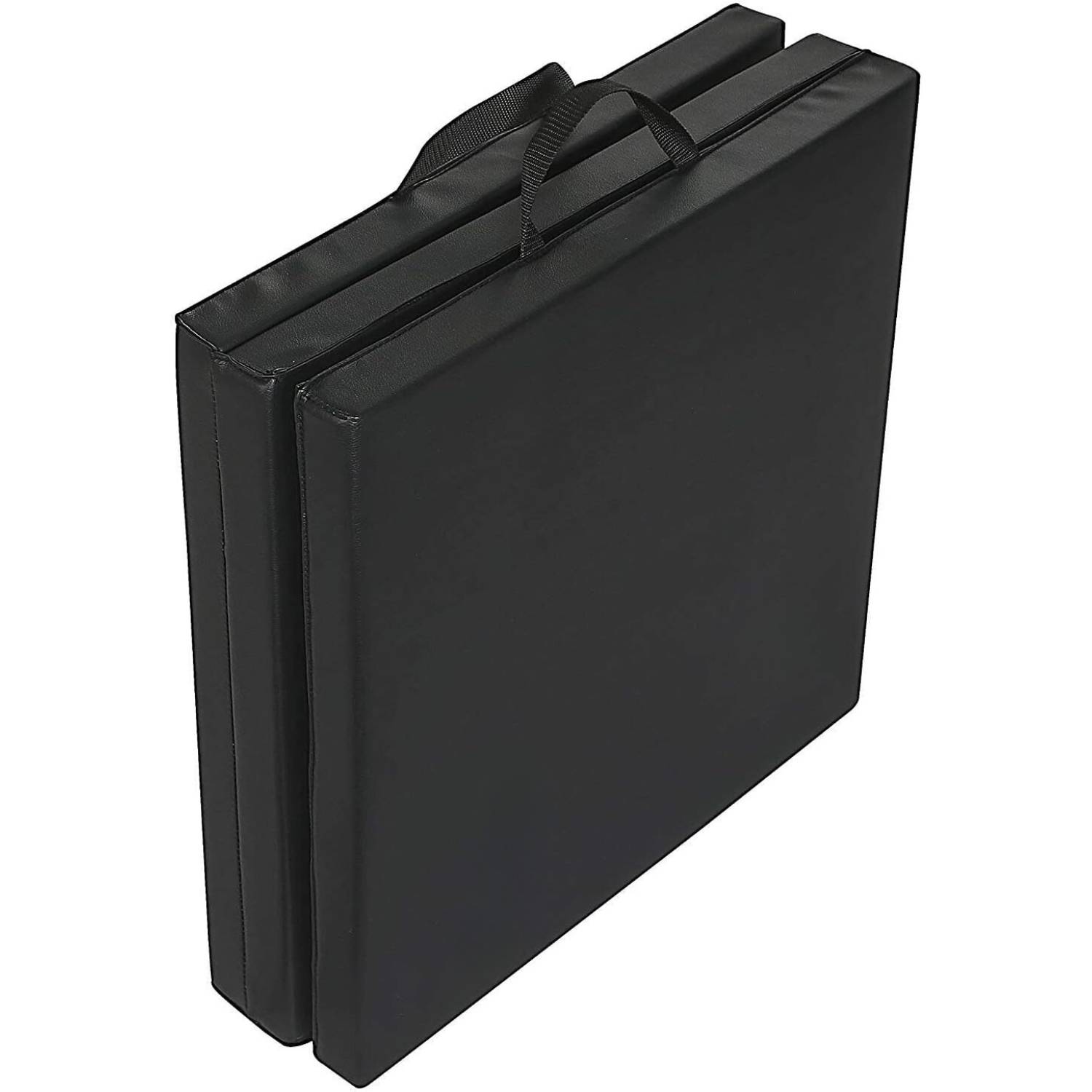
Folded, it measures about 61 x 61 x 15cm. The handle on each panel means one person can carry it like a case, up the stairs or out to the car.
Looking after the vinyl
The cover is 18 oz vinyl, puncture resistant and non absorbent, so sweat sits on top rather than soaking in.
- Wipe it after sweaty sessions with a damp cloth and mild soap.
- Let it dry fully before you fold it.
- Train barefoot or in gymnastics shoes; rough soles scuff the surface.
- Keep sharp objects off it.
- Store it with nothing heavy on top, because foam flattened for months does not fully recover.
Small tears in the cover can be patched with a vinyl repair tape or adhesive. If the foam shows through or the mat has thinned, it is time to replace it.
Clubs and schools
For a PE department, a club or a camp buying several mats, our wholesale page is where to ask for a quote.