

The complete guide
What this polyester rope is for, and what it is not for
The short version
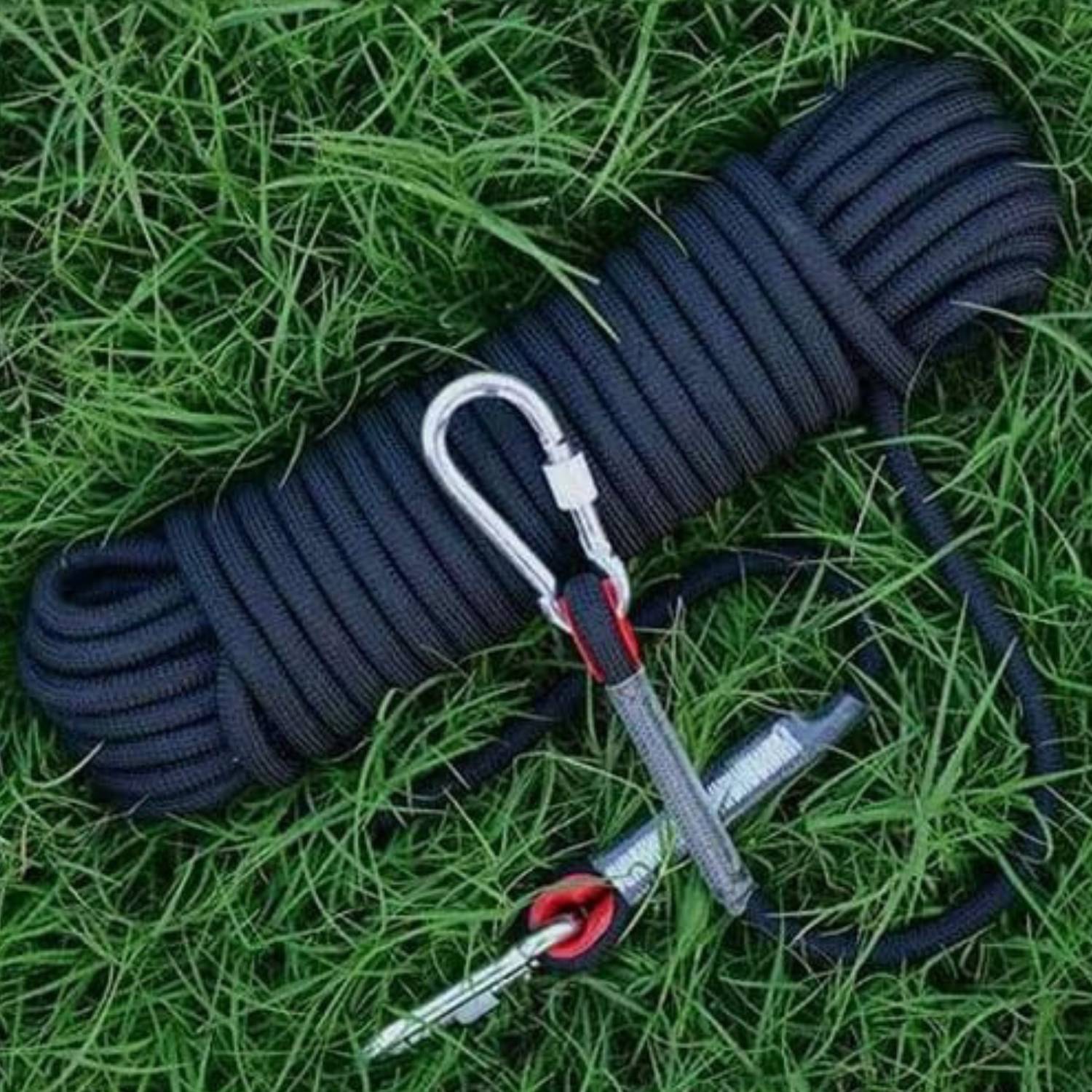
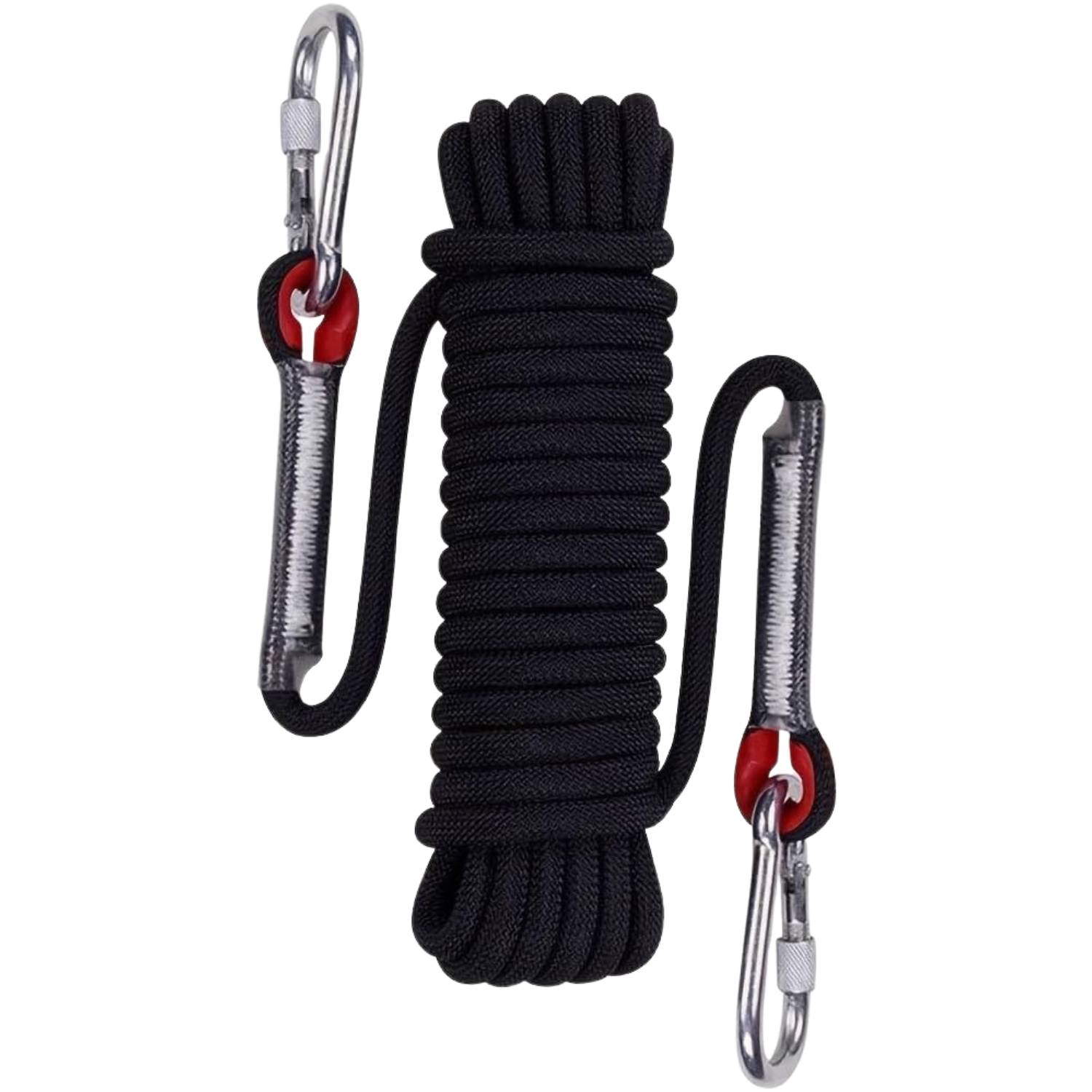
This is a 20m, 12mm black polyester rope with a stated load rating of 1200kg. It is good for hand-over-hand rope climbs in a gym or garden, hauling, camping, boat work and tie-downs.
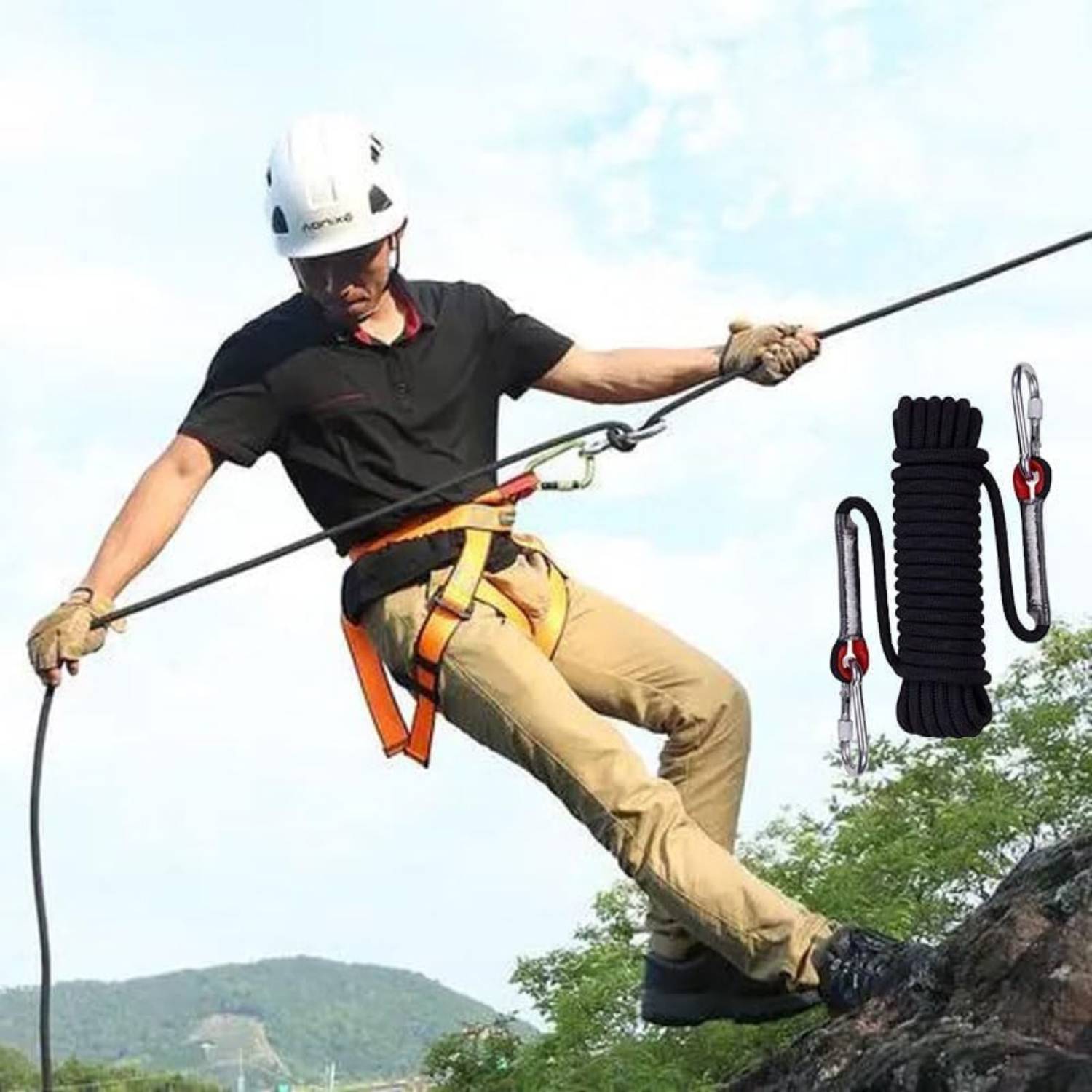
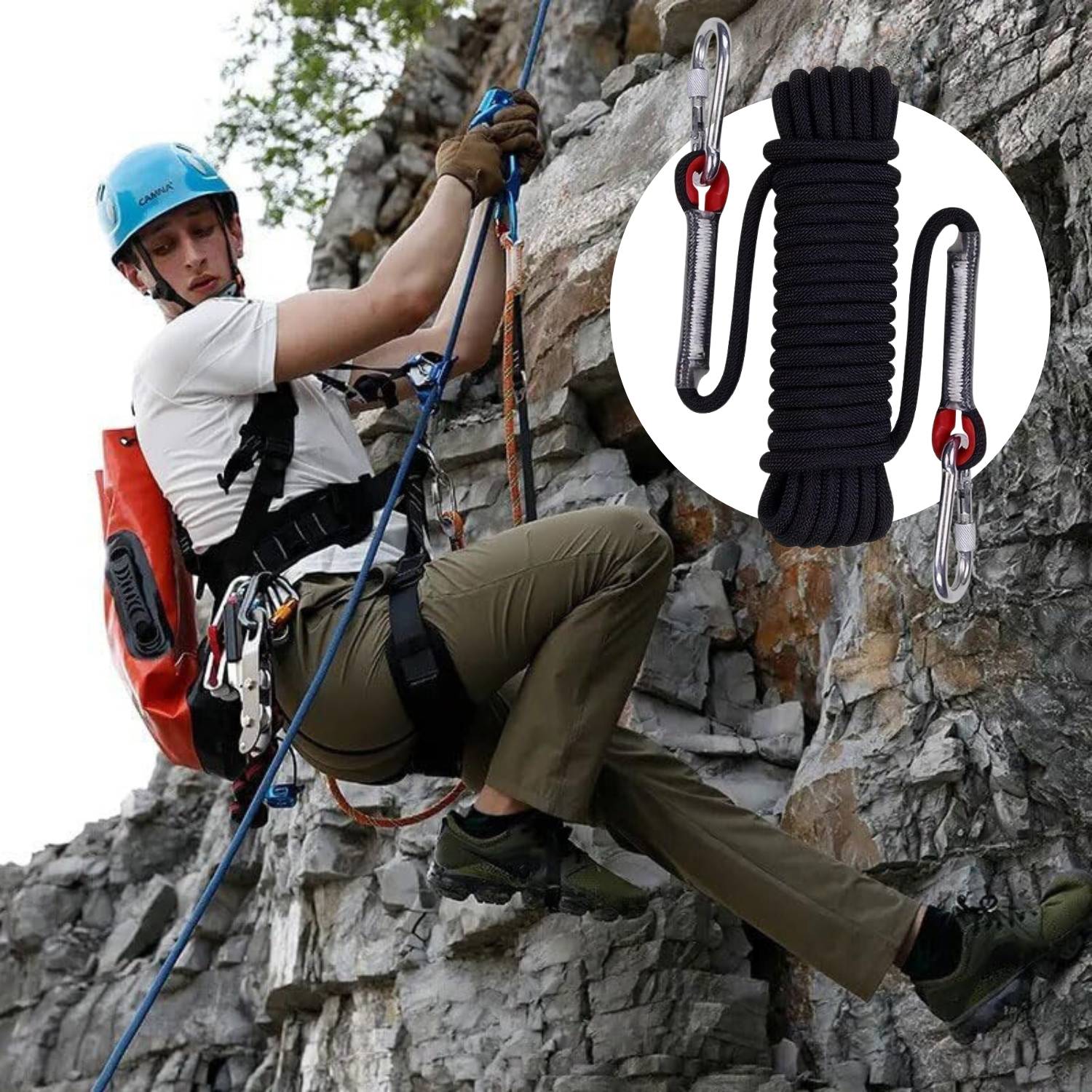
It is not certified life-safety equipment. It is not a climbing rope in the sense a climbing wall or a mountain instructor means it, and it must not be used for roped climbing, abseiling, caving or anything where the rope would catch a falling person.
Climbing ropes and utility ropes
Ropes sold for roped climbing fall into two main groups.
Dynamic ropes
These stretch under load to absorb the energy of a fall. They are used for lead climbing, and they are tested and certified to EN 892.
Low-stretch ropes
These stretch very little and are used for abseiling, rope access and some top-rope set-ups. For life-safety use they are certified to EN 1891.
Where this rope fits
This rope holds neither certification. It has no fall rating, no impact force rating and no tag with a date of manufacture. Those are the details a climbing rope is judged on. For any use where a rope stops a fall, buy one sold for that job by a climbing brand, and retire it on their schedule.
What this rope does have is length, a good grip and a stated load rating that suits everyday work.
Why polyester
It resists rot. Natural fibre rope stored damp goes soft over time. Polyester can live in a shed, a boat locker or a camping box.
It resists tears and heavy wear. Rubbing over edges is how most ropes wear out, and polyester stands up well to rough general use.
It packs small. Twenty metres of 12mm rope rolls into a tidy bundle that fits a kit bag or a car boot.
Diameter and length
Ropes made for climbing are often 9mm to 10.5mm thick and 60m to 70m long, sized for long routes and light carrying. This rope is sized for other jobs.
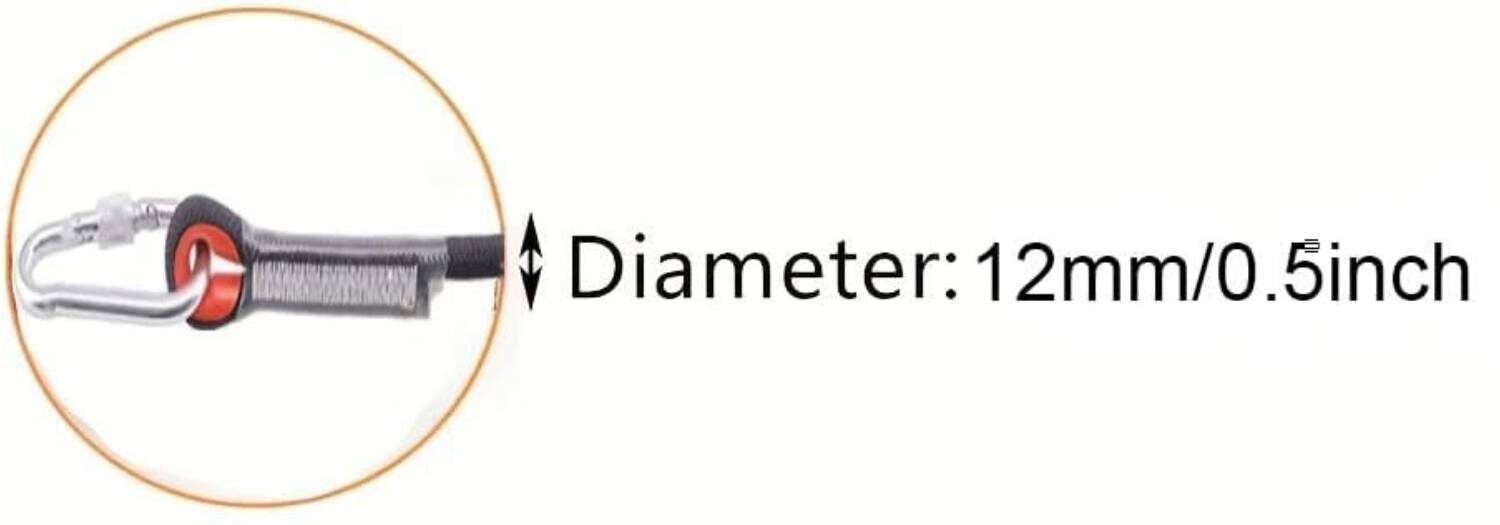
At 12mm it is thick enough to grip well on a hand-over-hand climb and still easy to knot. At 20m it covers a tall gym beam, a campsite set-up or a haul line from a boat, without a heavy coil to carry.
Rope climbs in a gym or garden
This is where the name comes from, and it is a good use for this rope.
Anchor first
Fix the rope to a beam, rafter or frame rated for a person moving on it. The rope is stronger than most anchors it will be tied to, so the anchor is the part to get checked. If in doubt, have a competent person fit it.
Soft ground underneath
Put a mat, grass or bark under the rope. Rope climbs end with a descent, and descents go faster than people expect.
Knots for beginners
Tying a knot every 40cm or so gives the feet something to push on. It turns a climb a beginner cannot do into one they can learn.
Gloves for repeat work
Sliding down causes rope burn. Gloves help on repeated climbs, and so does teaching a hand-under-hand descent.
Supervise children
An adult should watch every climb. Children climb only as high as the coach or parent is happy with.
Other jobs it does well
- rigging a tarp or shelter on a campsite
- hanging food bags and kit off the ground
- hauling gear up to a platform or down a bank
- tie-downs and general deck work on a boat
- tying off and hauling gear on a fishing trip
It is not a tow rope and it is not rated lifting gear. For towing a vehicle or lifting a load overhead, use equipment rated for that job.
Looking after it
Rinse after salt, sand or grit. Grit worked into the rope wears it from the inside every time it bends.
Dry before coiling. Let the rope dry fully in the air before it goes back in a bag.
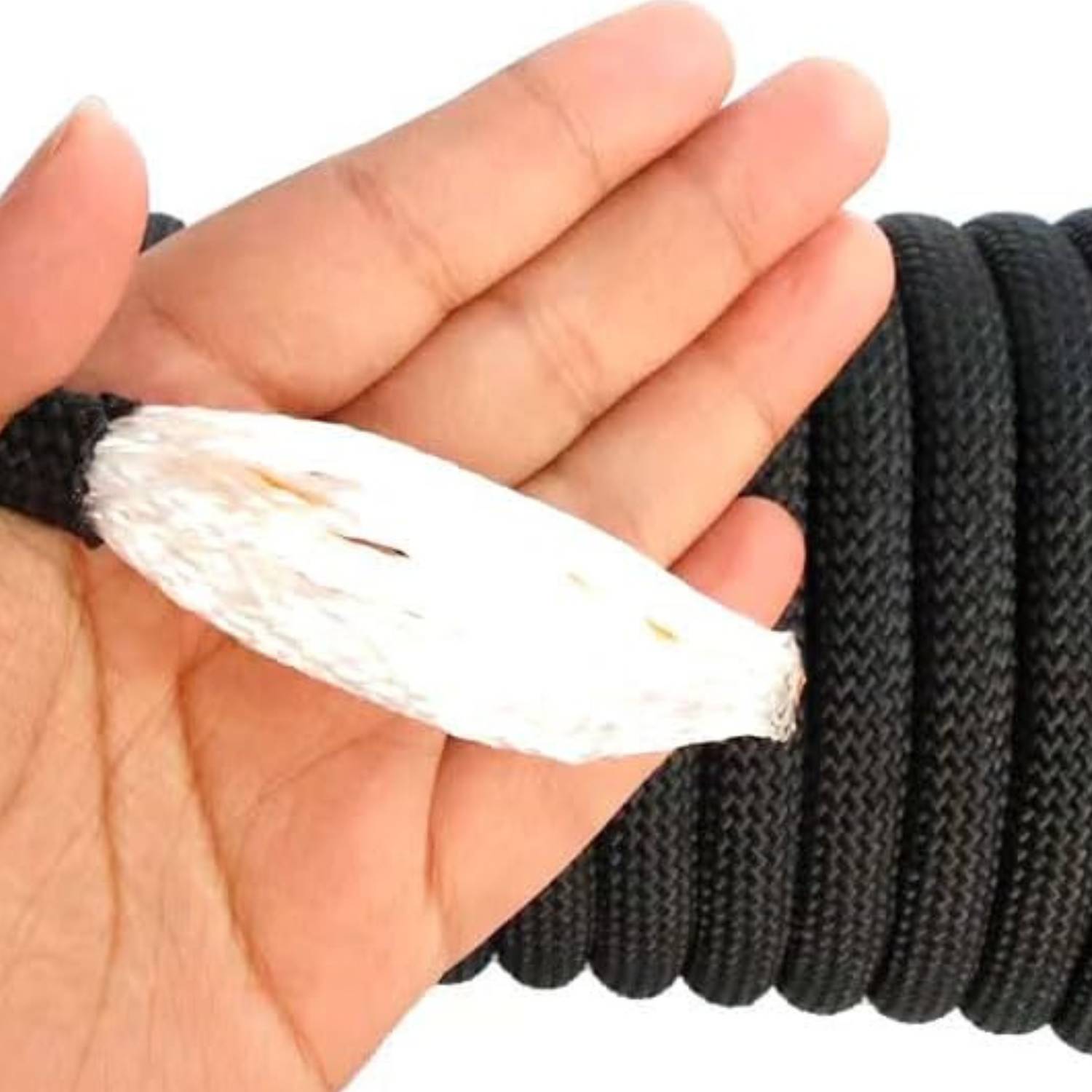
Seal any cut end. Use heat or tape straight away, or the end will fray.
Keep it out of the sun. Sunlight weakens synthetic rope over time, so do not leave it rigged outdoors all year.
Check it before each use. Retire it from load-bearing work if you find a flat spot, a stiff section, glazing from friction heat, cuts or damaged fibres.
Buying for a club or school
For several ropes for a gym, a club or a school, ask for a quote through our wholesale page.